
Drone Light Shows Are Stealing the Spotlight at the 2026 FIFA World Cup
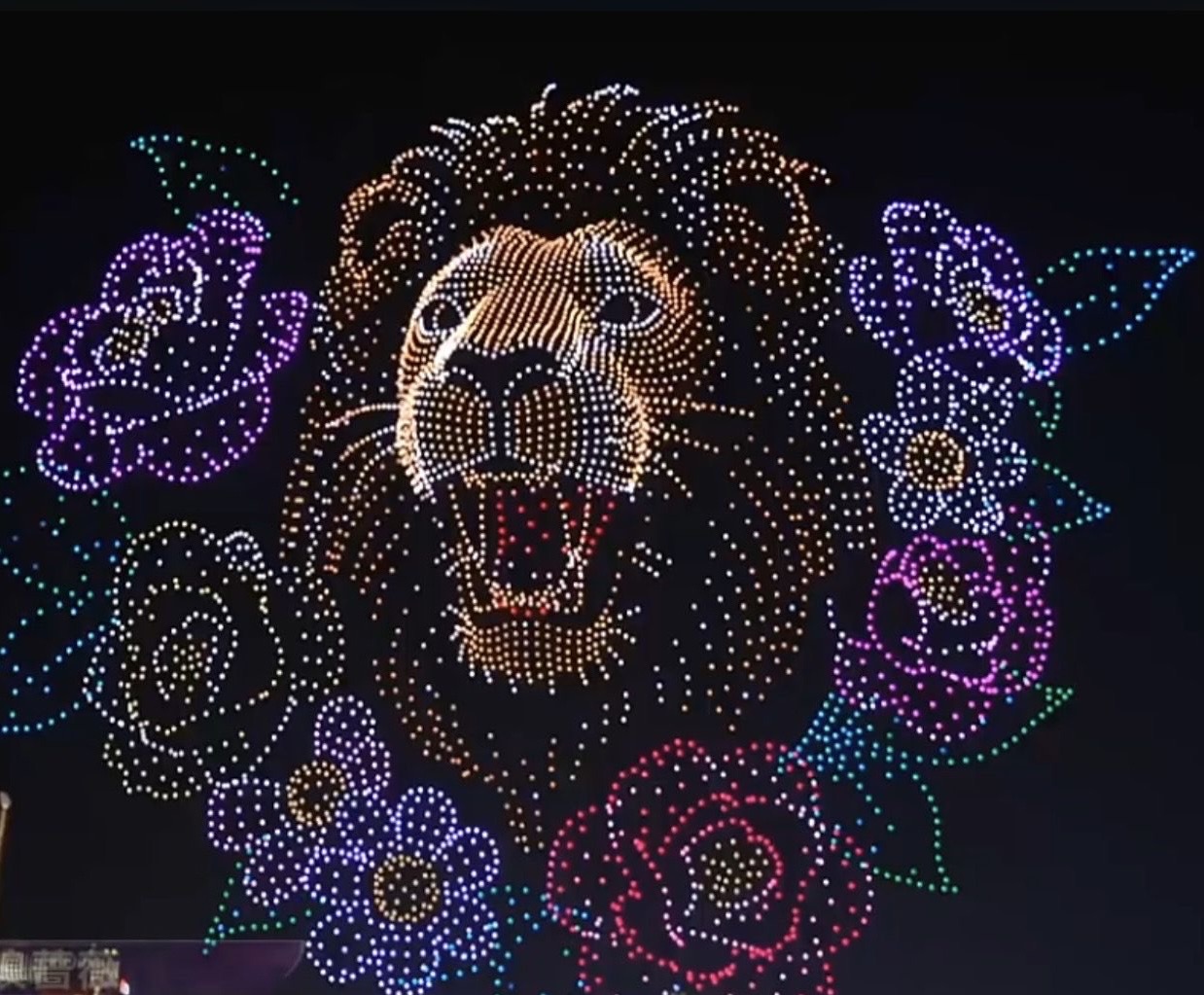
The 2026 FIFA World Cup isn’t just the biggest sporting event in American history — it’s turning into the largest stage drone light shows have ever had. With 48 teams, 11 U.S. host cities, and an estimated 5 million fans converging on stadiums and fan festivals from June 11 through July 19, the tournament has become a proving ground for a new kind of spectacle: hundreds of synchronized drones painting the night sky with team flags, match scores, and brand activations visible for miles. And it’s already happening. Seattle partnered with Sky Elements to launch what they’re calling a “first-of-its-kind match-night drone show” series over Seattle Center, right next to the Space Needle. Hundreds of drones form team flags, match results, and animated celebrations in the sky after each game at Lumen Field. The first show lit up the skyline on June 15 following the Belgium vs. Egypt match, with additional performances scheduled for June 19, June 24, and June 26. Each show runs approximately 12 minutes, is free to attend, and draws thousands of spectators to the International Fountain and Fisher Pavilion. Think about what that means: a city government commissioned a drone show not as a one-off event, but as a recurring, multi-week entertainment series tied to the world’s most-watched sporting tournament. The drones are doing something fireworks never could — displaying real-time match results, national flags in full color, and custom animations that change every single night.
Miami Set the Tone a Year Early Miami didn’t wait for the opening whistle. A year before kickoff, FOX Sports hosted a World Cup Countdown Party featuring what was described as the largest drone show in Miami history. The display lit up the waterfront as part of a broader activation celebrating the one-year countdown to the tournament — proving that the demand for drone shows around the World Cup wasn’t limited to match nights. For brands and host city committees, Miami’s countdown show was a signal: drone light shows aren’t just halftime entertainment anymore. They’re the kind of visual spectacle that generates social content, news coverage, and the viral moments that define how an event is remembered.
The FAA’s No-Drone Zones and What They Mean Here’s what most people don’t realize about flying drones anywhere near a World Cup venue: you can’t. Not without explicit federal authorization. The FAA has established strict Temporary Flight Restrictions around every World Cup stadium, fan festival, team hotel, base camp, and training facility in all 11 U.S. host cities. On match days, no aircraft — including drones of any size — can operate within a 3-nautical-mile radius and up to 3,000 feet above ground level around stadiums. Around fan events and festivals, the restriction is a 1-nautical-mile radius up to 1,000 feet. The penalties are severe. Unauthorized drone flights near World Cup venues carry civil penalties up to $75,000 per violation, criminal fines up to $100,000, and potential federal charges. The FBI is authorized to detect, track, and seize unauthorized drones using the FAA’s new DETER initiative, launched specifically to accelerate enforcement during events like this. So how are authorized drone shows happening at all? Because the operators running them are working directly with city governments, tourism boards, and FIFA-associated partners to secure FAA authorization well in advance. That level of coordination requires operators with Part 107 certifications, multi-UAS waivers, substantial insurance coverage, and the kind of regulatory track record that gives federal agencies confidence to approve flights in the most restricted airspace in the country.
Every Host City Is a Stage The 11 U.S. host cities are pulling out every entertainment tool they have to attract visitors, and the fan festivals are creating massive opportunities for drone shows. New York and New Jersey are home to the tournament final on July 19 at MetLife Stadium, with fan events running throughout the region. Los Angeles is hosting matches at SoFi Stadium with FIFA Fan Festival events across the city. Philadelphia is the only U.S. city hosting a Fan Fest for all 39 days of the tournament, featuring daily entertainment, rotating food vendors, and large-scale activations — that’s 39 consecutive nights of potential drone programming. Miami, Atlanta, Dallas, Houston, Kansas City, Boston, San Francisco, and Seattle are each hosting multiple group-stage matches with their own fan festivals, watch parties, cultural showcases, and city-wide programming. Philadelphia’s 39-day fan festival alone represents the kind of extended engagement window where a recurring drone show series — similar to what Seattle is doing — could draw nightly crowds and dominate social media. Imagine a drone formation updating tournament brackets, celebrating advancing teams, or recreating the most iconic goals of the day in light above the city skyline. Every night. For five and a half weeks.
What the World Cup Proves About Drone Shows and Sports The 2026 World Cup is accelerating a trend that’s been building across professional sports for years. Drone shows have already become fixtures at NFL games, MLB stadiums, and NBA All-Star events. But the World Cup is proving several things at once. Drones can deliver real-time, event-specific content. Seattle’s match-result scoreboards aren’t pre-programmed weeks in advance. The formations reflect what actually happened on the field that night. That kind of responsive, live-event integration is something fireworks could never do. Cities are commissioning drone shows, not just brands. Seattle’s World Cup drone series is a city tourism initiative, not a corporate sponsorship activation. Visit Seattle is using drone shows as a destination marketing tool — a way to attract visitors and generate media coverage that positions the city as innovative and forward-thinking. Recurring shows work. Instead of a single spectacular one-off, Seattle booked a multi-show series across weeks. This model — drone shows as ongoing entertainment rather than a single-night event — opens up entirely new revenue streams for operators and new programming options for venues and cities. Regulatory expertise is the real differentiator. With the FAA locking down airspace around every venue and the FBI actively monitoring for unauthorized drones, only operators with deep regulatory relationships and established authorization processes can fly at events like this. That’s not a limitation — it’s a competitive advantage for professional operators who’ve invested in compliance infrastructure.
The Bigger Picture The FIFA World Cup is the most-watched event on the planet. An estimated 5 billion people tuned in to the 2022 tournament in Qatar. When drone light shows become part of how the 2026 World Cup is experienced, documented, and shared — when millions of fans post videos of drones forming national flags over American cities — it normalizes drone shows as a mainstream entertainment format in a way that nothing else could. For event planners, city officials, tourism boards, and brands watching the World Cup: the question isn’t whether drone light shows belong at major sporting events. Seattle, Miami, and the 2026 tournament have already answered that. The question is whether your next event will be one of the ones that uses them. The sky — quite literally — is the stage. Book a drone show for your next sporting event, fan festival, or brand activation and put your story in the sky.