
How to Photograph and Film a Drone Light Show
Capturing stunning photos and video of a drone light show is easier than you might think, but knowing a few key tips will dramatically improve your results. Whether you are a professional photographer covering an event, a content creator building social media posts, or an audience member who wants great smartphone footage, understanding the unique characteristics of drone show lighting will help you get the best shots.
Drone light shows present different challenges than fireworks photography. The formations are slower-moving, more colorful, and hold their shapes for several seconds, which actually makes them easier to photograph in many ways. However, the LED brightness is different from pyrotechnic explosions, and the formations are often larger and higher in the sky, requiring wider framing. The key is adjusting your expectations and settings for the specific qualities of LED drone formations.
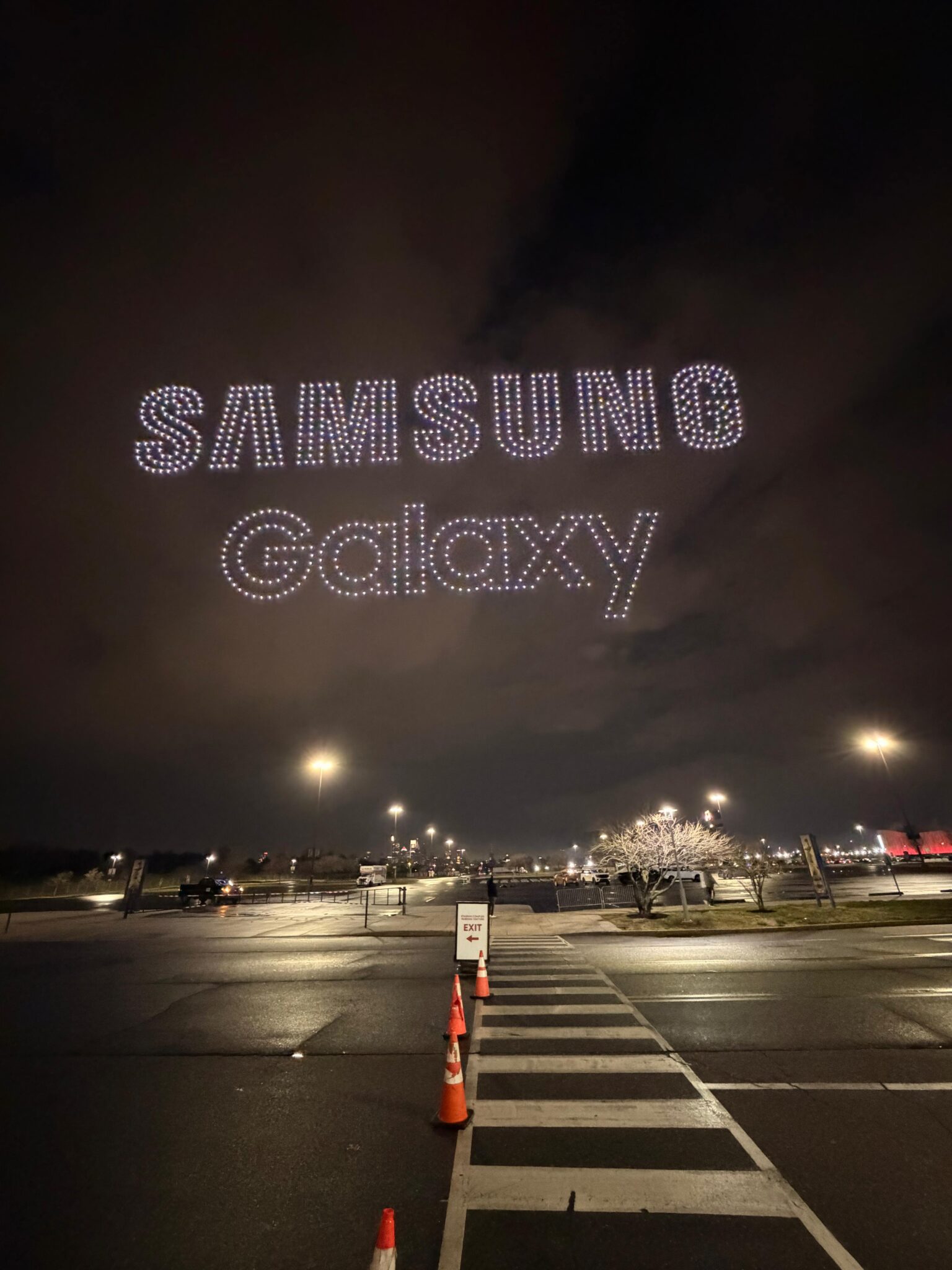
The most important factor in drone show photography is your shooting position. Unlike fireworks, where the optimal viewing angle is almost always directly below, drone shows create three-dimensional formations that look best from a slight angle. Positions that include the horizon or landscape elements in the foreground create more compelling compositions than shots aimed straight up at the sky.
Camera Settings for Drone Shows
For DSLR or mirrorless cameras, start with these settings and adjust based on your specific conditions. Set your ISO between 800 and 3200 depending on the ambient light. Use an aperture of f/2.8 to f/4 to keep the formations sharp while gathering enough light. Shutter speed is the most critical setting. A speed of 1/30 to 1/60 second captures the formations clearly without motion blur, while longer exposures of 1 to 2 seconds can create beautiful light trail effects as drones transition between formations.
A tripod is highly recommended for any exposure longer than 1/60 second. Use a wide-angle lens in the 16 to 35mm range to capture large formations with environmental context, or a standard 50mm to 70mm lens for tighter shots of specific formations. Shoot in RAW format for maximum flexibility in post-processing, as the high contrast between bright LEDs and dark sky benefits significantly from exposure adjustment in editing.
Smartphone Tips and Video
Smartphones capture drone shows surprisingly well because their cameras automatically adjust for low-light conditions. The best tip for smartphone photography is to tap and hold on the drone formation on your screen to lock focus and exposure, then adjust the exposure slider slightly downward. This prevents the bright LEDs from blowing out and maintains color detail in the formations.
For video, shoot at the highest resolution your phone supports and hold the phone in landscape orientation for the widest view. Keep the phone as steady as possible, ideally braced against something stable. Resist the urge to zoom in, as digital zoom degrades quality. The wide shot that shows the full formation against the landscape is almost always more impressive than a zoomed view of individual drones. For more about what makes a great drone show, visit our complete guide.